Weathering the Elements: Choosing the Best Deck Materials for Durability Jan 29, 2026
Decks are exposed to the elements year-round, which means that the materials you choose must be capable of enduring everything from intense summer heat to relentless winter snow. The durability of your deck hinges on selecting the right materials, but what options offer the best resistance to the elements?
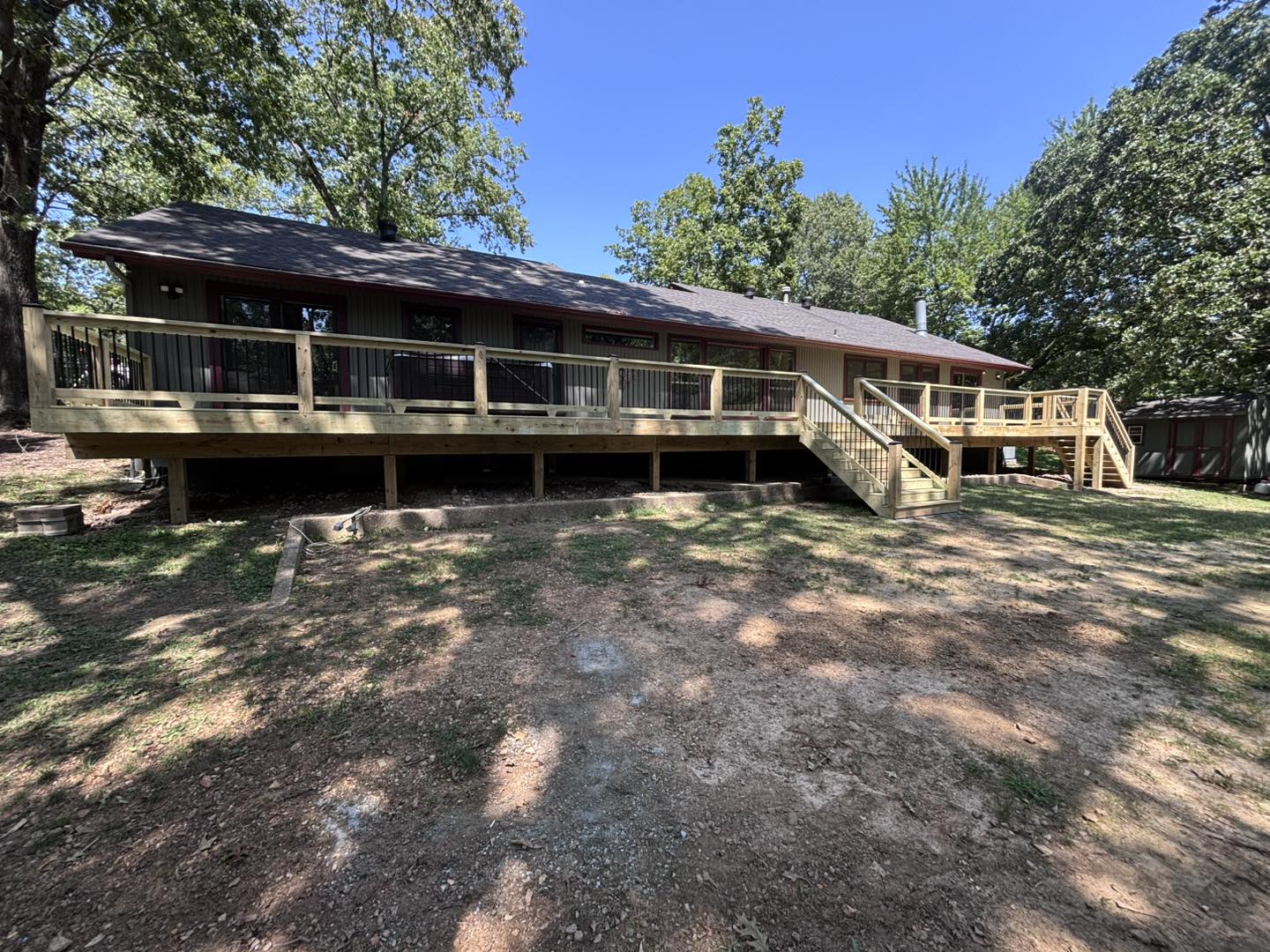
Wood has long been a favorite for deck construction, prized for its natural beauty and relatively affordable price point. However, not all wood is created equal when it comes to strength and longevity. Cedar and redwood are excellent choices due to their natural oils that resist rot and insects. Pressure-treated lumber is another solid option, fortified with chemicals to enhance its resilience against the weather and pests. Regular maintenance, including sealing and staining, is crucial to maintaining wood’s durability over time.
For homeowners seeking a low-maintenance alternative, composite decking represents a compelling option. Made from a blend of wood fibers and recycled plastics, composite decks boast impressive resistance to fading, staining, and scratching. They also require less upkeep than natural wood, making them a smart choice for those who prefer convenience. Plus, with advances in technology, composite decking now mimics the look of traditional wood, allowing you to enjoy the aesthetics without the prolonged care.
PVC (polyvinyl chloride) decking takes durability a step further, known for its extreme resistance to moisture, mold, and mildew. This synthetic material offers a non-porous surface that stands strong against harsh weather conditions, making it ideal for areas with significant rainfall or humidity. Additionally, PVC decking does not splinter, adding an extra layer of safety.
In addition to material selection, considering the environment is also crucial. If your deck is exposed to direct sunlight for many hours a day, selecting UV-resistant materials will prevent fading and discoloration. Meanwhile, decks in shady or humid areas benefit from materials that offer superior moisture resistance to stave off mold growth and decay.
Beyond material, design elements such as spacing between boards and ventilation also play a significant role in your deck’s ability to weather the elements. Proper installation techniques can prolong the life of your deck by eliminating moisture buildup and facilitating airflow, minimizing the risk of warping and degradation.
As you embark on your decking project with Natural State Deck Builders, remember that choosing the right materials is an investment in your home’s value and your outdoor lifestyle. Balancing aesthetics, durability, and maintenance requirements will lead to a deck that not only looks impressive year-round but also endures the natural elements for decades to come.
In conclusion, the best deck is one crafted with materials tailored to withstand your specific environmental conditions. Whether opting for the natural warmth of wood, the enduring strength of composite, or the all-weather resilience of PVC, informed choices coupled with expert installation will ensure your deck remains a cherished outdoor retreat no matter the season. Entrust your project to seasoned professionals like Natural State Deck Builders, who can guide you through every detail to achieve a perfect blend of beauty and durability.
/filters:no_upscale()/filters:format(webp)/media/4bbe028e-1964-4b38-b308-595a6b4e3f43.jpeg)